What a Red Eye Flight Costs You (Beyond the Cheaper Fare)
The fare and the hotel night are the easy half of this decision, and the other half is tomorrow's calendar read in the time zone you land in.
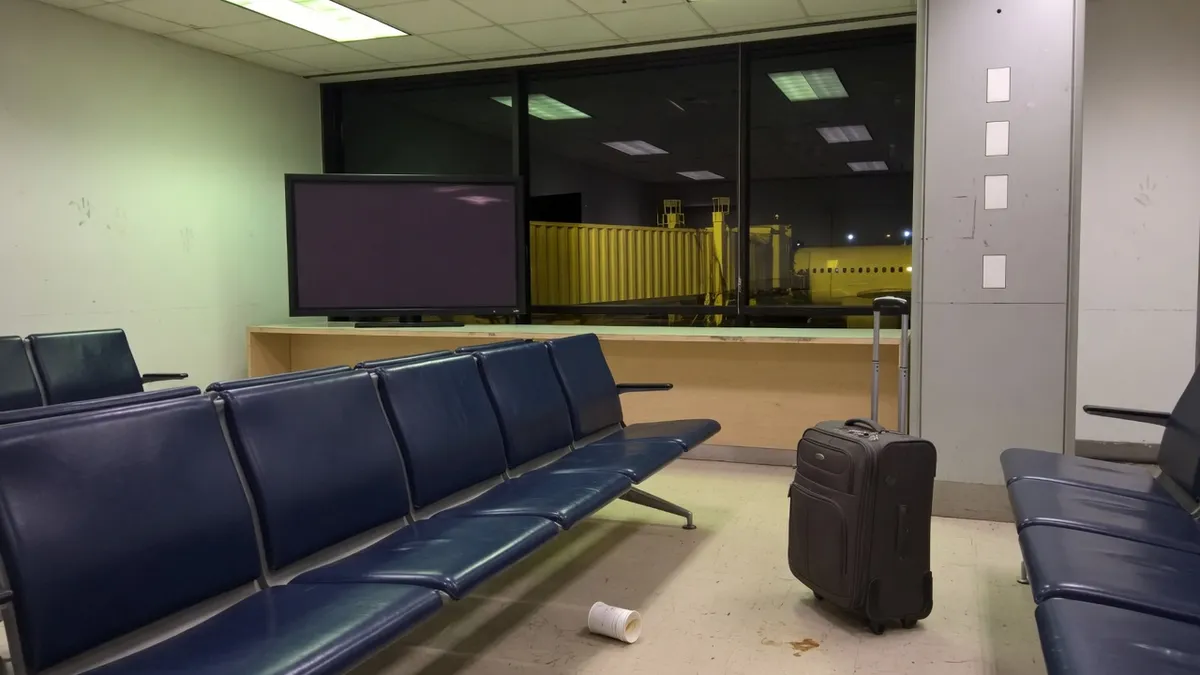
The booking page has two fares on it for the same city, same day. One leaves at two in the afternoon and lands at ten at night. The other leaves at eleven at night and lands at seven the next morning, and it costs $130 less. The cheaper one is the red eye flight, named for the bloodshot eyes people arrive with, a flight that leaves late enough and lands early enough that the night happens in a seat.
Why the fare is lower
Fewer people want to leave at eleven at night. Seats on that departure sell slowly, so the fare comes down until they fill, and the discount in front of you is whatever it took. On a route business travelers fly overnight every week the seats fill anyway, and the late departure costs what the afternoon one costs. Whether a red eye flight carries a discount at all is a fact about the one route you are flying, so compare the two departures on that route before counting on a saving.
So the discount measures how many people want that departure. Whether the trade is good for you gets decided by two things the booking page never collects: what is on your calendar tomorrow before noon, and which direction you are flying.
What the red eye saves
Put numbers on it. Say the afternoon fare is $420, the red eye fare is $290, and a room at the other end runs $180 a night. Fly in the afternoon, land at ten, sleep in that room. Fly the red eye, land at seven, and that room was never booked.
$420 minus $290 is $130. Add the $180 room and the red eye is ahead by $310. Those three prices are assumed here. Put in the two fares on your screen and the nightly rate you were quoted, and the subtraction runs the same way.
Which direction you are flying
Flying east you lose hours off the clock. A five hour flight leaving the west coast at eleven at night lands at four in the morning by the clock it left on, and three time zones later that is seven where the wheels touch. The morning at the other end is already underway: traffic on the road in from the airport, offices opening at nine, and the entire obligation window sitting in front of you. Direction decides what a red eye flight can save before the calendar gets a say in it.
Flying west you get those hours back. The same five hours off an eleven o'clock departure land at one in the morning local, before the day starts, so you still need a bed at the far end and the $180 stays on the bill. The saving in the paragraph above only exists in the direction that lands you into a morning.
Two mornings
Say it is a wedding at four in the afternoon. Nine hours sit between the gate and the ceremony and they belong to you and a bag: a friend's couch, a long breakfast, a locker at the station. You paid $310 less than the guest who flew in the day before, for the same wedding.
Now say it is a meeting at nine, the appointment the trip was booked for. Two hours sit between the gate and the table, and the road in from the airport takes some of them. You walk in wearing what you flew in, carrying the bag, because a room booked for tonight may not be yours in the morning; ask the hotel that question before you buy the flight. The $310 is still saved, and what the afternoon fare would have bought is the room the night before, a shower, and a change of clothes before nine. Whatever else the trip has scheduled that day comes after the same night.
| Lands into a free morning | Lands into a nine o'clock meeting | |
|---|---|---|
| Afternoon fare, assumed | $420 | $420 |
| Red eye fare, assumed | $290 | $290 |
| Hotel night skipped, assumed | $180 | $180 |
| The red eye is ahead by | $310 | $310 |
| Flying east, you land at | seven in the morning | seven in the morning |
| First thing on the calendar | a wedding at four | a meeting at nine |
| Hours between landing and it | nine | two |
| What the extra $310 would have bought | a bed on a night with nothing after it | a room, a shower and clean clothes before nine |
Every dollar figure holds still down both columns. The calendar row and the hours row are the two that move.
What to check before you book
Never book a red eye flight that lands into an obligation before noon, and read noon on the clock at the place you land rather than the one you left. A wedding at four clears that rule. A rental car pickup and a four hour drive to a cabin clears it. A meeting at nine, a court date, a morning exam: none of them do. Count the hours between the scheduled landing and the first thing written down, because two hours is also what one delayed departure takes.
Flying west the rule rarely comes up, because a landing in the middle of the night puts the room back on the bill and the overnight seat stops paying for itself. Run the subtraction anyway. If the hotel night survives the trip, so does the saving.
The two fares are still on the screen and the cheaper one still leaves at eleven. Before you take it, open tomorrow and read the hours in the time zone you are landing in. The airline priced that night against its own empty seats and never asked what your morning has on it.
This article is for informational purposes only and does not constitute medical, financial, or professional advice.