What Black Tie Optional Actually Means (In Plain English)
A tuxedo is welcome, a dark suit is equally acceptable, and casual clothes are outside the dress code.
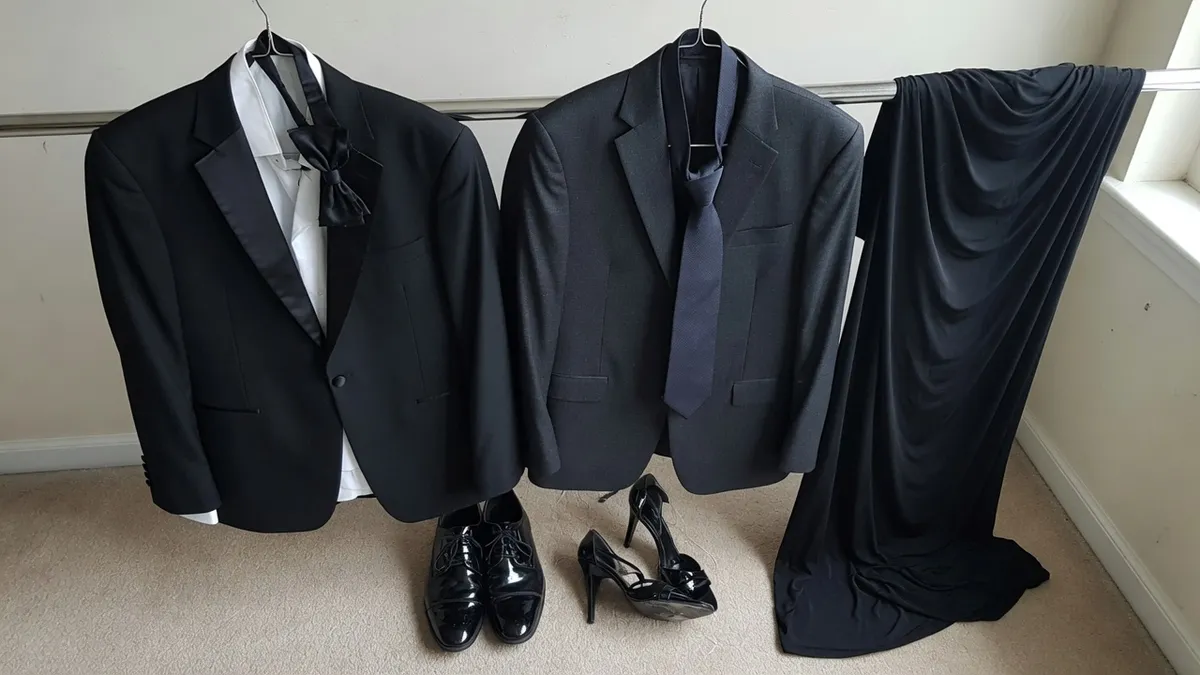
The invitation is open on your bed, and the words black tie optional have turned your closet into a test. Here is the answer. A tuxedo is preferred. A dark suit in black, charcoal, or navy with a white shirt and dark tie is equally acceptable. Optional never means casual.
The word “optional” applies to the tuxedo. The formal level stays in place.
That is the entire dress code. You can stop wondering whether the hosts are secretly grading you for owning the wrong jacket. They have given you two ways to meet the same formal request.
If you are deciding between a tuxedo and a suit
Wear the tuxedo if you own one, want to rent one, or enjoy the chance to wear it. You will match the most formal version of the room.
Wear the dark suit if it fits well and you feel good in it. Choose black, charcoal, or navy. Add a white shirt and a dark tie. That outfit satisfies the invitation. You do not owe the hosts a tuxedo rental receipt.
The suit route gets confusing when people focus on the word “suit” and forget the rest of the sentence. A pale linen suit, an open collar, or a bright casual shirt lowers the formality. The dark color, white shirt, and dark tie are what keep the suit in the same room as the tuxedos.
Shoes should finish the same thought. Choose polished dress shoes that belong with the suit. This is a poor night to test whether clean sneakers can pass as formal.
What dresses, skirts, and jumpsuits fit the request
The equivalent choice is formal evening clothing. A long dress is the easiest answer. A polished midi dress, a formal skirt with an evening top, or a formal jumpsuit can also fit when the fabric, cut, shoes, and accessories look deliberate enough for a room with tuxedos.
Black is one option among many. Keep the full outfit at the formal end of your closet and ask whether it makes sense beside a tuxedo at dinner. That question is more useful than trying to decode one sleeve, hem, or color in isolation.
An everyday sundress, casual knit dress, office skirt, or beach jumpsuit misses the request. The clothing category may be right while the level of formality is wrong.
If you are choosing between two outfits, pick the one you would wear to an evening event with assigned seats, speeches, and formal photographs. You are aiming for dressed up, finished, and comfortable enough to wear through the whole celebration.
What “optional” gives the guest
A tuxedo is a specialized piece of clothing. Many guests do not own one, and renting one adds another errand and expense to attending a wedding. The host is leaving room for a dark suit so those guests can still meet the dress code with clothing they may already have.
That courtesy keeps the formal level in place while widening the route into the room. Cocktail clothes, khakis, polos, jeans, and casual shoes still miss the request.
This is why the phrase can feel harder than “black tie.” Black tie gives one obvious answer. The optional version asks you to judge whether your other choice reaches the same level. The dark suit formula settles that judgment for you.
If you are the host choosing the dress code
Putting black tie optional on the invitation tells guests three things. Tuxedos are preferred. Dark suits are fully welcome. The event is formal.
Use the phrase only if you will be happy to see both routes in the room. If a dark suit would disappoint you, ask for black tie. If cocktail dresses and lighter suits fit the day you planned, choose a less formal dress code.
For dresses, skirts, and jumpsuits, your guests need an equivalent answer. Put one plain sentence on the wedding website:
“Tuxedos are welcome. Dark suits and formal dresses, skirts, and jumpsuits are equally appropriate.”
That sentence removes the fear that “optional” is a test. It also answers guests who do not dress in a suit without forcing them to translate advice written for one kind of clothing.
You can add practical details that come from the event itself. Mention an outdoor ceremony, a long walk on grass, cold evening weather, or any venue rule that changes what guests need. Those details help. A paragraph assigning colors, fabrics, and accessories turns a dress code into a costume brief.
Decide before the invitation is ordered
The dress code controls invitation wording, the wedding website, and questions guests will ask as soon as they receive either one. Choose it before those tasks move forward.
If the dress code is one of several decisions holding up the invitation, put the wedding tasks in dependency order. Settle the wording, place the same explanation on the website, and give anyone answering guest questions the same sentence.
Black tie optional asks guests to dress for a formal room while giving them a practical second route into it. Wear the tuxedo or the dark suit. Choose the formal dress, skirt, or jumpsuit. Then close the invitation and get on with your evening.
This article is for informational purposes only and does not constitute medical, financial, or professional advice.